
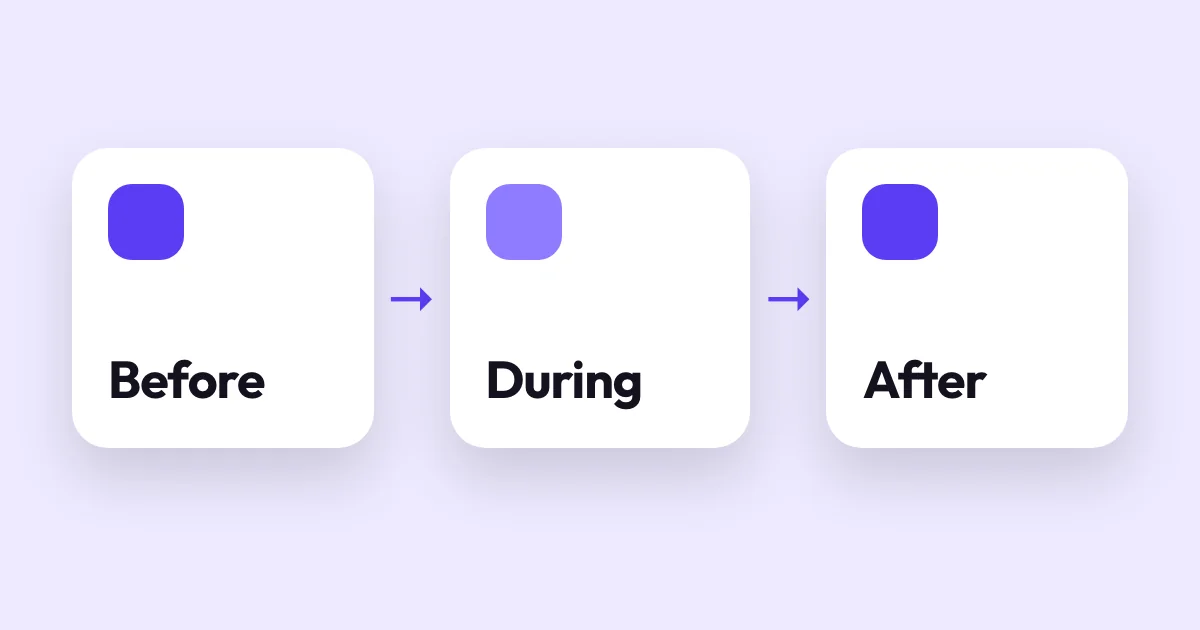
If you want to promote a giveaway well, treat it as three phases, not one post. This guide gives you a plan for before the giveaway opens, while it runs, and after the winner is picked. You will also get an example week you can copy and a short list of things to leave out.
Decide the prize and rules first
Promotion is easy when the thing you are promoting is clear. So settle the basics before you post anything.
- The prize: what it is, what it is worth to your audience, and where it can be sent.
- The entry rule: one step, written in one sentence. Our guide to giveaway entry methods helps you choose.
- The closing time: a date, a time and a time zone.
- How the winner is chosen and contacted: at random, from the entries, with a stated reply deadline.
Write these down as your rules. Everything you post later is a shorter version of that text, so having it first saves you from improvising and from contradicting yourself. If you need a starting point, read how to write giveaway rules.
Platforms have their own promotion rules, and they change. Read the current ones for wherever you are running the giveaway before you launch.
Before: build interest quietly
The days before launch are for helping people notice that something is coming. You do not need many posts. You need a few that make sense.
Tease the prize
Show the prize without the full details. A photo of it wrapped, a short video of you unpacking it, or a line such as “Something is coming on Monday.” The point is to give people a reason to check back.
Pre-announce the date
Say when the giveaway starts and ends, so people can plan. “Opens Monday at 9 a.m. Eastern. Closes Sunday at 6 p.m. Eastern.” Giving the time zone saves questions later.
Tell the people who already like you
Your email list, your community group and your closest followers are the people most likely to enter, so tell them first. A short email with the prize, the rule and the closing time is enough. Do not oversell it. A friendly heads-up works better than a long pitch, and if the giveaway is open to anyone, make that clear in the message.
Think about a partner
Two accounts can share one giveaway and one prize. Each brings its own audience, and the cost can be shared. It takes more planning, though, because you need to agree on who ships, who draws and who announces. If that appeals, read how to run a joint giveaway before you commit to anything.
During: launch and keep it steady
The launch post
Your launch post is the one everything else points to. It should answer every question in advance. Include:
- What the prize is, with a clear image.
- The one step to enter.
- The closing date, time and time zone.
- Who is eligible, and where the prize can be sent.
- How the winner is chosen and how you will announce them.
- A short line that the giveaway is not run by or affiliated with the platform.
Keep it readable. Put the most important line first: what people win and what they do. Details can sit below.
Win [prize]. To enter, [one action]. One entry per person. We close on [date] at [time and time zone] and pick one winner at random. Full rules are in the post below.
Reminders that are not repetitive
You will want to remind people. The trick is to say something different each time. Here is a set of angles, each with a job.
- The first reminder: look closer at the prize. Show a detail, a use, or a short story about why you chose it.
- The second reminder: answer a question. Pick one that people actually asked and answer it in a short post or story.
- The third reminder: show the process. Explain how the draw will work, so people know what to expect.
- The “ending soon” reminder: give the closing time in plain words, once. “Last chance. We close tonight at [time and time zone].”
Each reminder should link back to the launch post so entries stay in one place.
Use the formats you already use
Stories, short videos and pinned comments each do a different job, and you do not have to use all of them. Stories suit quick reminders, because they are brief and disappear. A short video suits showing the prize. A pinned comment under the launch post is a good home for the entry rule and closing time, so latecomers see it first. Use the formats you are comfortable with and keep the message consistent.
Answer questions in the comments
People will ask whether they can enter from another country, whether two comments count, or what time the giveaway ends. Answer politely and point back to the written rules. If the same question appears several times, the rule was probably unclear. Add a pinned clarification that does not change the rule, only explains it.
Do not change the rules mid-way
Do not change the prize, the entry method or the closing time once people have entered. That is the fastest way to lose trust, even if your reason is good. If you spot a real error, say so openly, explain what you are doing about it, and make the fix as small as you can. Do not edit things quietly.
After: close, draw and follow up
Close on time
When the closing time comes, close. A short post saying “Entries are now closed. Winner announcement to follow” tells people you mean what you say. If entries are comments on a video or post that stays up, note that comments after the closing time do not count.
Draw and announce
Draw promptly, and announce soon after, with the proof. Clean the entry list first by removing duplicates and leaving out your own account. A tool like TweetGift can pick the winner at random from a pasted post link or uploaded comments, and its certificate shows the number of entries, the filters used and the date and time of the draw. For the full draw process, see how to pick a random winner. Then follow through with a clear announcement. The guide to announcing giveaway winners has templates you can copy.
Thank everyone
Thank all the entrants, not only the winner. A short post or story is enough. People remember being thanked.
Reuse the result
The result is content you can use again.
- The certificate or proof: share it, so people can see how the draw went.
- A recap post: a short summary of the prize, the winner, and a thank-you to everyone who entered.
- A winner moment: if the winner agrees, share their reaction or the prize arriving. Ask first, and keep to their public handle unless they say otherwise.
Follow up with new followers
You may have gained new followers or subscribers. Welcome them with something useful: a short intro post, a favorite piece of your content, or a line about what you post and how often. Then keep to that. Do not message them in bulk, and do not add people to a mailing list unless they agreed to it.
An example one-week timeline
This is an example only. Change the days and times to suit your audience.
- Day 1 (Monday): teaser post showing the prize wrapped. Short story with the launch date.
- Day 2 (Tuesday): email to your list and a note in your community group with the date and the rule.
- Day 3 (Wednesday): launch post goes live. Pin the entry rule in a comment. Share it to your story.
- Day 4 (Thursday): first reminder with a closer look at the prize.
- Day 5 (Friday): answer the most common question in a short post or story.
- Day 6 (Saturday): explain how the draw will work.
- Day 7 (Sunday): “ending soon” reminder in the morning. Close at the stated time. Draw and announce.
In this example the giveaway is open from Wednesday to Sunday. You can stretch it or shrink it. What matters is that the dates are stated, kept, and visible.
What not to do
None of these are about judgment. They are the things that tend to cause trouble, so it helps to know them before you start.
- Buying engagement. Paying for likes, followers or comments gives you numbers that are not real people. It can also break a platform’s rules, and it makes your results harder to trust.
- Tagging strangers. Mentioning people who did not ask to be part of it feels like spam to them, and it reflects on you.
- Mass-DMing. Sending the same message to lots of people can annoy them and may break platform rules. Tell people through your own posts and lists, where they chose to follow you.
- Promises you cannot keep. Do not promise a prize you cannot afford to send, shipping to places you will not ship to, or a result you cannot control. If you are not sure, leave it out.
- Hiding conditions. If there is a catch, put it in the first post, not in a reply.
If you consider paid promotion, note that it has its own platform rules, so read them first.
For more ideas on what can go wrong and how to prevent it, see giveaway mistakes.
A short promotion checklist
Use this before you post the launch.
- Prize, rule and closing time are written down.
- The launch post answers who, what, how and when.
- You have a plan for three or four reminders, each with a different focus.
- Someone is responsible for answering comments.
- You know how you will draw and where you will announce.
- You have a plan to thank entrants and welcome new followers.
Draw your winner and show the proof
When your giveaway closes, pick a winner at random and keep a record of how it was done.